David Lefebvre – When an index becomes landscape
Markets rarely leave traces.
Some artists choose to give them a landscape.
David Lefebvre has never tried to illustrate the economy.
He has not attempted to make it clearer, nor more seductive.
He chose something rarer: he displaced it.
The CAC 40 is a number.
A pure abstraction.
A flow without matter, without memory, without surface.
It is written, calculated, erased.
In principle, it leaves no trace.
And yet.
I. The silence of numbers
A stock index has no face.
It tells no story.
It shows nothing.
It is made of movements, variations, brief tensions.
It belongs to short time, to immediacy, to decision.
It exists only to vanish.
It is precisely there where there is nothing to see that David Lefebvre’s work begins.
Not to explain.
But to retain.
II. The ridgeline
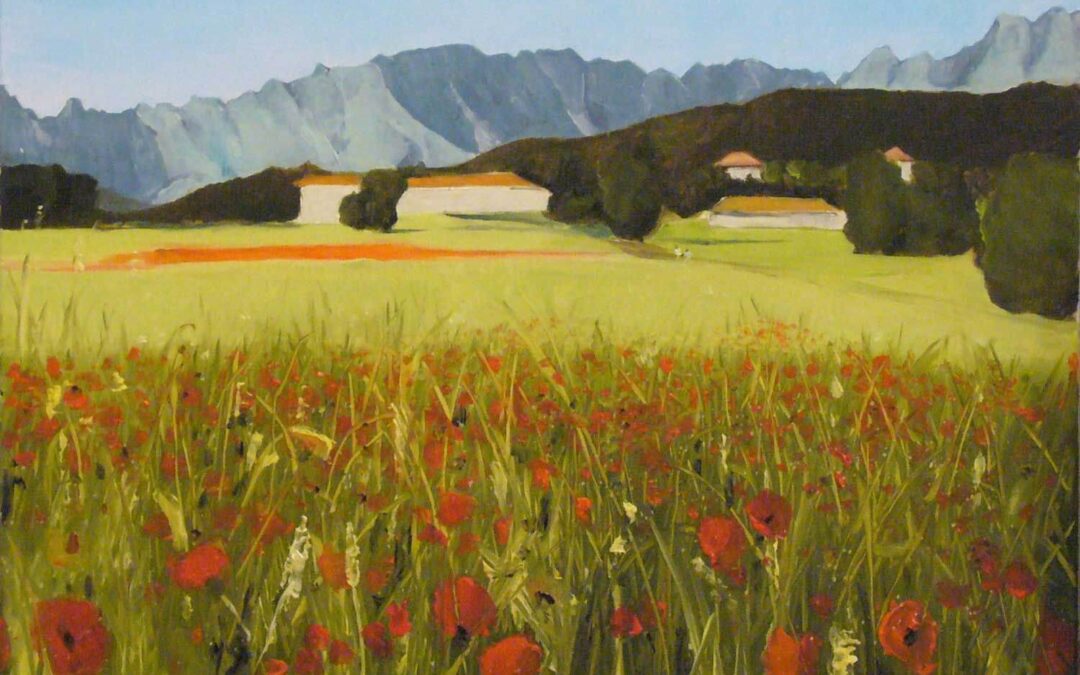
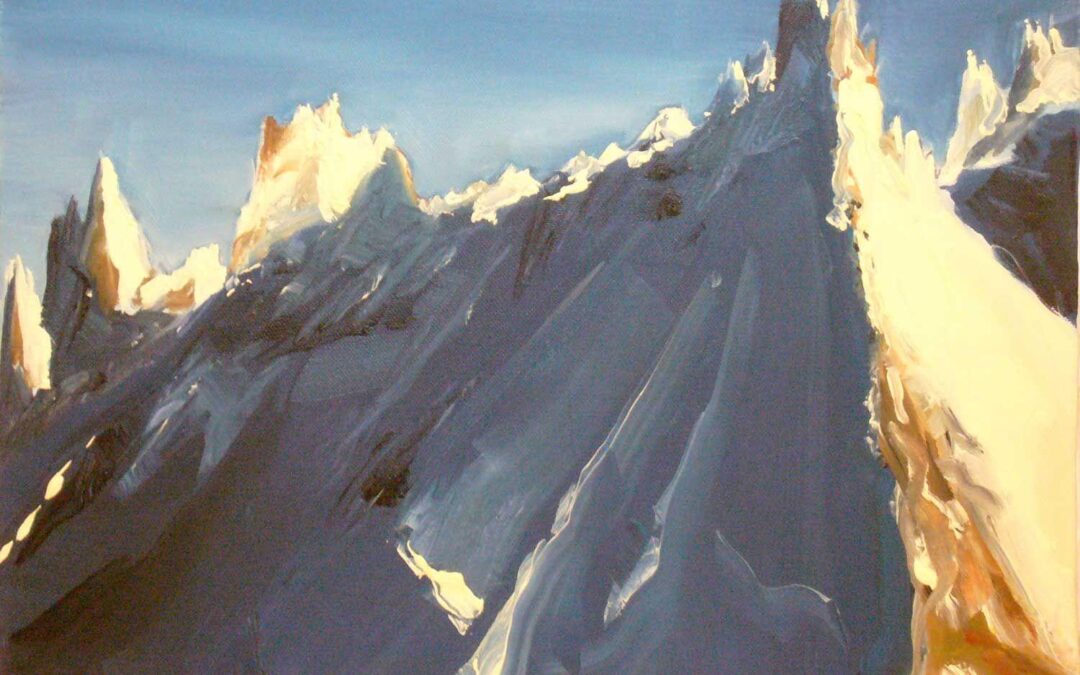
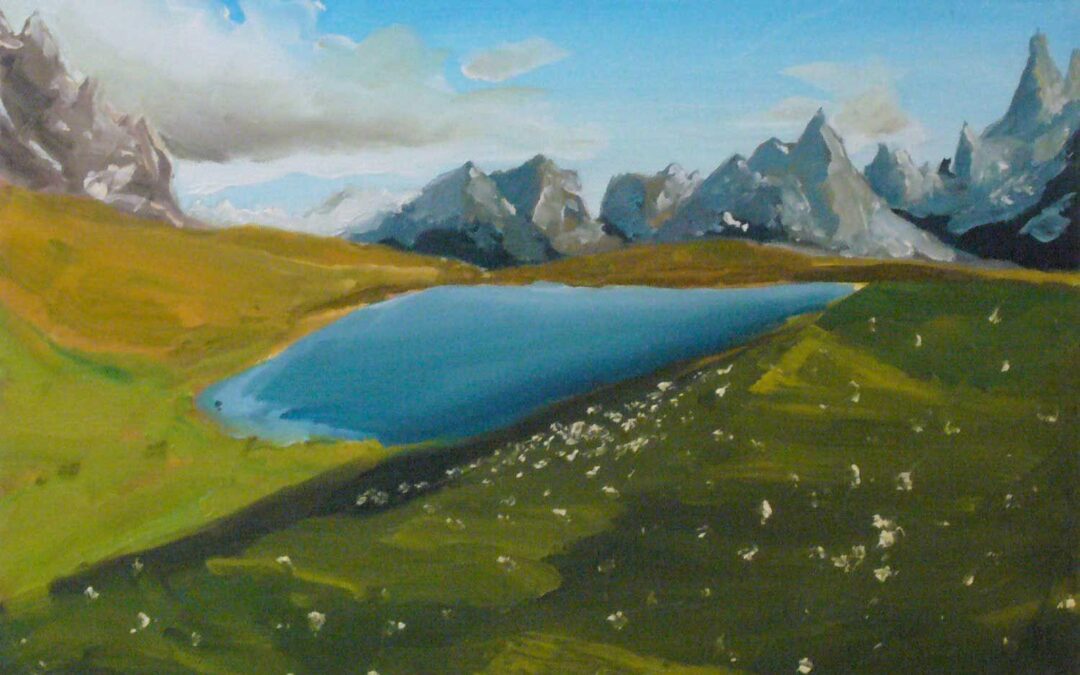
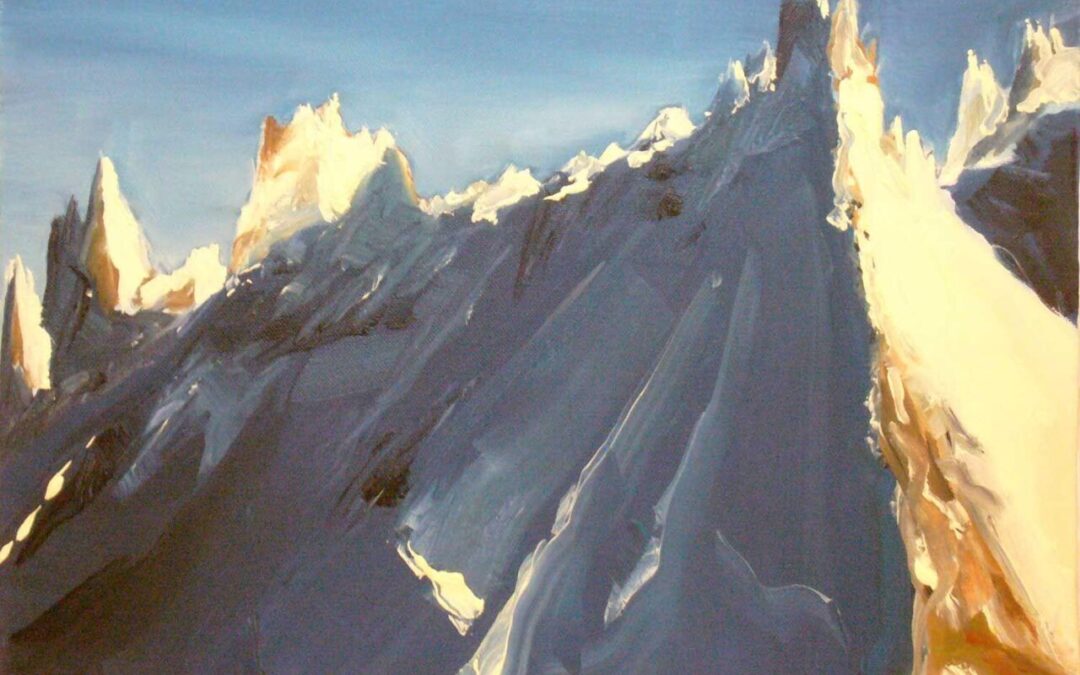
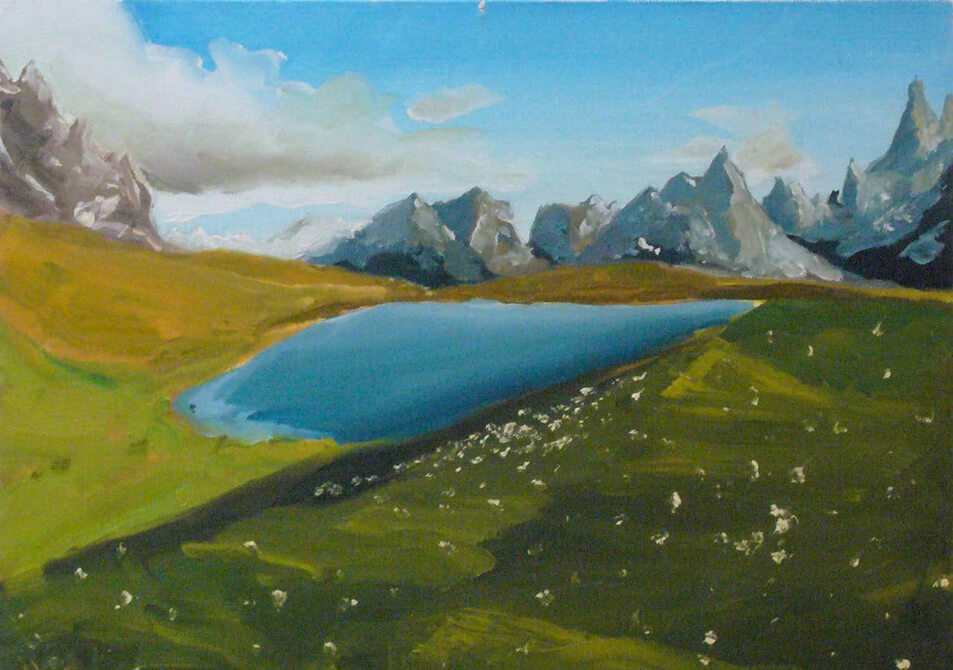
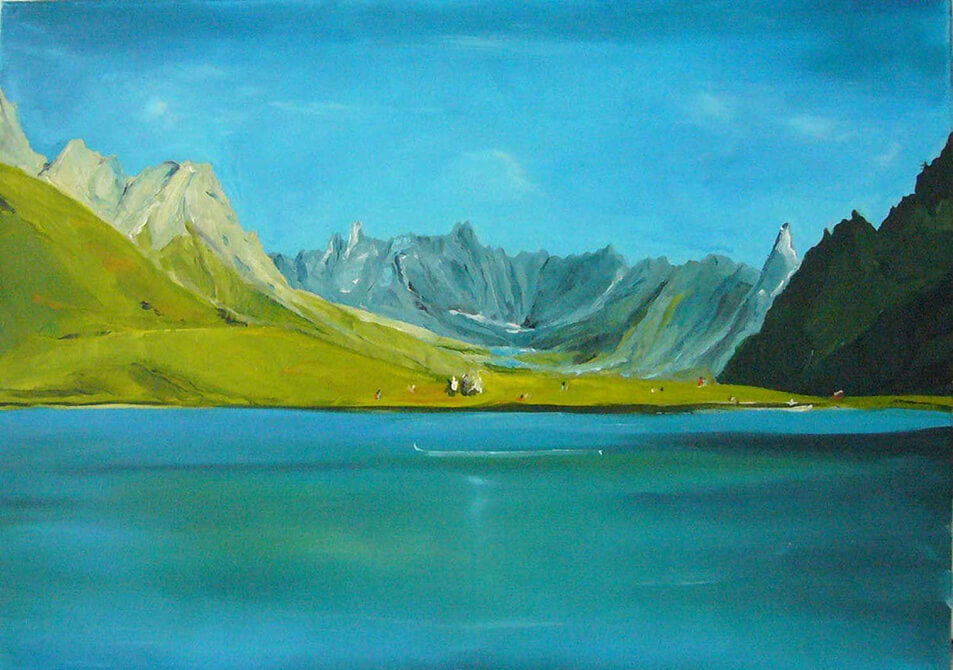
In the CAC 40 series, the curve ceases to be a mathematical trace.
It becomes a ridgeline.
Hour after hour, day after day, market variation turns into relief.
Volatility becomes slope.
Instability becomes altitude.
What once belonged to time unfolds into space.
What lived on screens slides onto canvas.
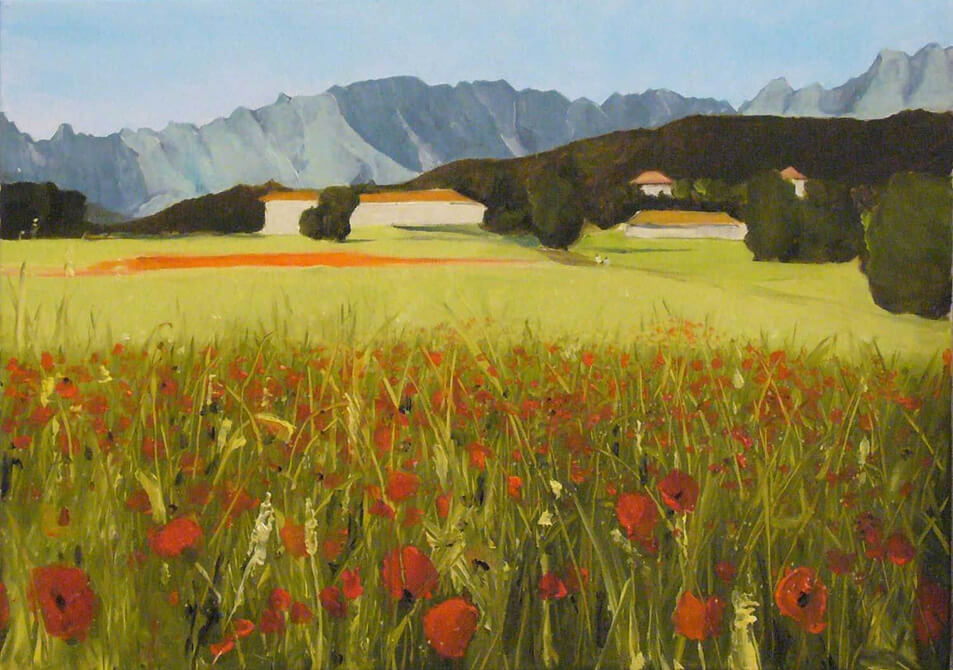
The mountain is not painted as a mountain.
It is painted from an index.
The landscape is not a setting.
It is the slow memory of a rapid movement.
III. Matter against flow
Where the index is instantaneous, painting imposes duration.
Oil on canvas.
Preparatory grids.
Accepted drips.
Preserved accidents.
Nothing is smooth.
Nothing is optimized.
Matter resists.
It slows the eye.
It forces presence.
Against algorithmic finance, painting reintroduces weight, friction, waiting.
It turns abstraction into surface.
The market passes.
The canvas remains.
IV. What remains when the market falls silent
When the trading session ends, the index disappears.
It gives way to another number, another curve, another day.
The painting remains.
It does not comment on current events.
It does not illustrate performance.
It does not seek to convince.
It testifies.
Not to success or failure,
but to something deeper and more durable:
the human need to give form to what silently governs our lives.
Some works document an era.
Others outlive it.
In CAC 40, David Lefebvre does not paint the economy.
He reveals its inner landscape.
And once seen, that landscape does not disappear.
Risk Warning: The paintings always inicate past performance and not a future outcome.